
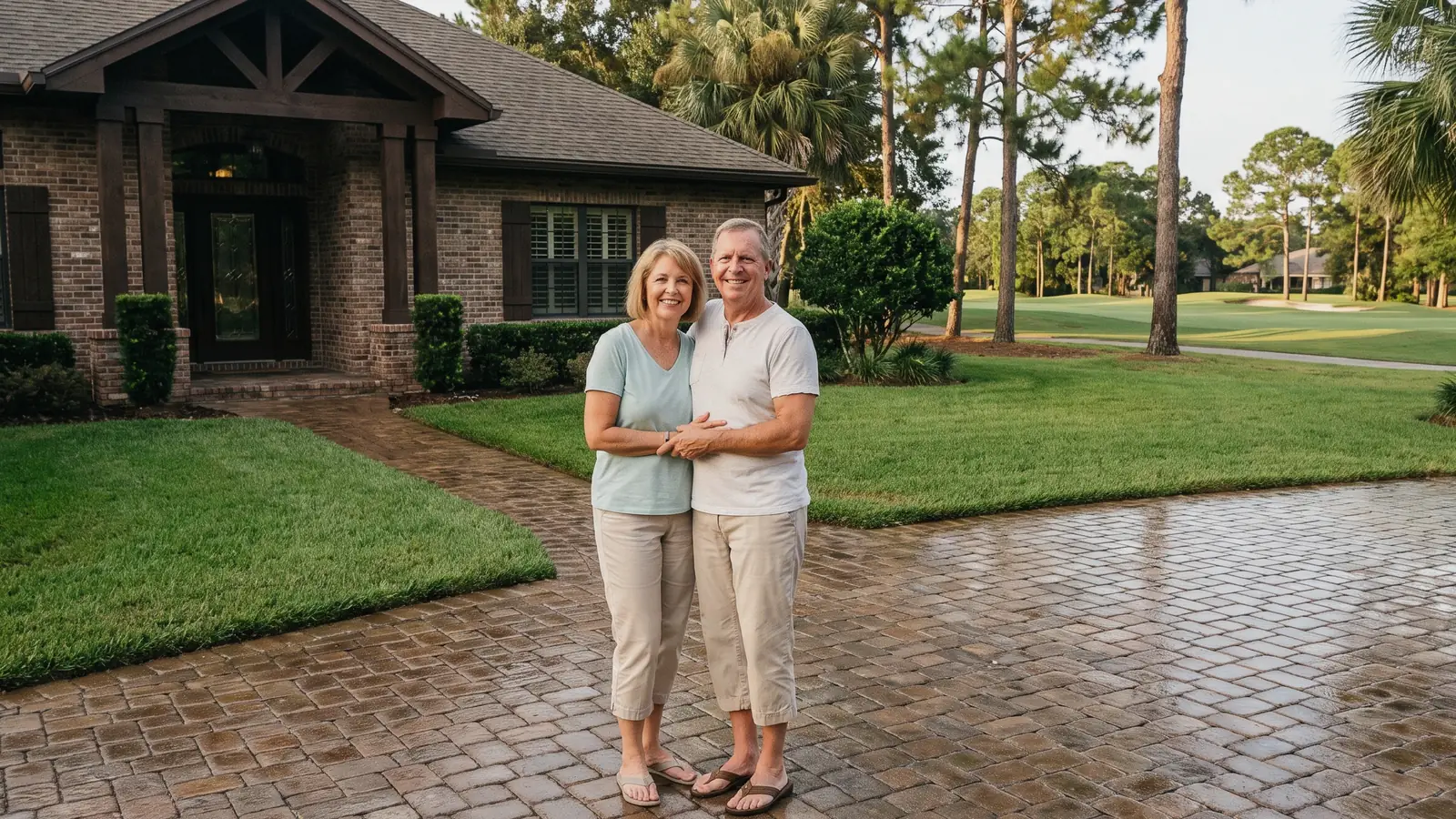
Paver sealing for Lakeland homes
Paver Sealing in Lakeland, FL
Around Lakeland's 38 named lakes, faded pavers can look new again, so call (656) 254-5516 for a free estimate.
- Brings out deeper paver color
- Fresh joint sand helps lock pavers in place
- Gives weeds less room to grow
- Makes the surface easier to keep clean
- Free estimate, no obligation
Request a Free Estimate
Free, no obligation.
Fast, careful paver sealing in Lakeland
Paver sealing in Lakeland starts with a free estimate from a local contractor. You will hear back in 1 business day at the outside, and often far sooner. The contractor cleans, re-sands and seals driveways, pool decks, patios and walkways around town, so call (656) 254-5516 to get on the list.
Picture your driveway after another summer of afternoon storms. The joints are green, the color has gone chalky, and sand has washed out of the low spots. Once the pavers are washed, re-sanded and coated, they read as one even color. If you would like to talk it over first, you can ask for a free estimate and describe what you see.
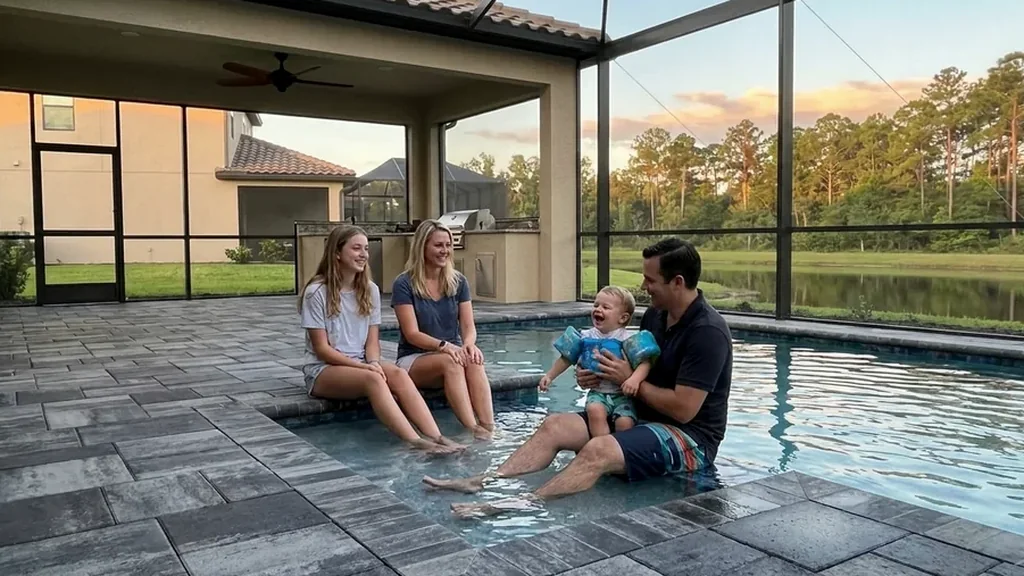
Why hire a local paver sealing contractor in Lakeland?
Lakeland homeowners tend to pick a local contractor because lakes, sandy ground and 1920s homes all change how a paver job should go. To hear how that applies on your street, call (656) 254-5516.
A walk-through at no charge
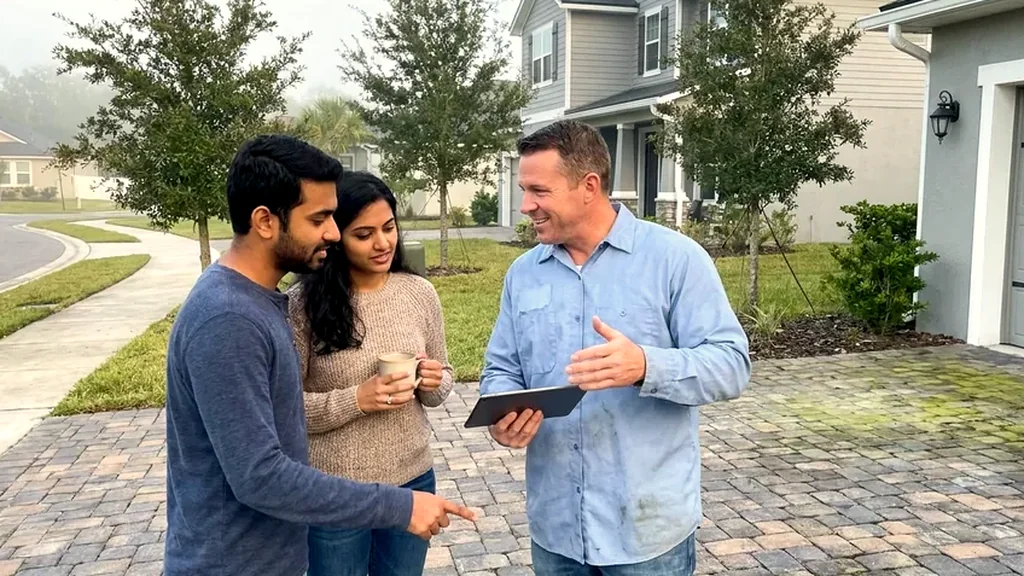
A contractor walks your Lakeland lot, notes the lake shade and the sandy ground, and quotes you in person. The visit costs nothing, and the price comes before any work is agreed.
A price you can check
Published Tampa Bay pricing is $1.25 to $2.50 per square foot for the whole job, so any Lakeland quote can be measured against it.
A finish that fits
Matte for a Dixieland bungalow, wet look for a pool deck that needs its color back. You choose, and you can ask for a test spot.
The decision stays yours
Dates, finish and the final yes belong to you. A Lakeland estimate carries no strings.
Get Your Free Estimate in Lakeland
Tell us about your pavers in Lakeland.
Free, no obligation
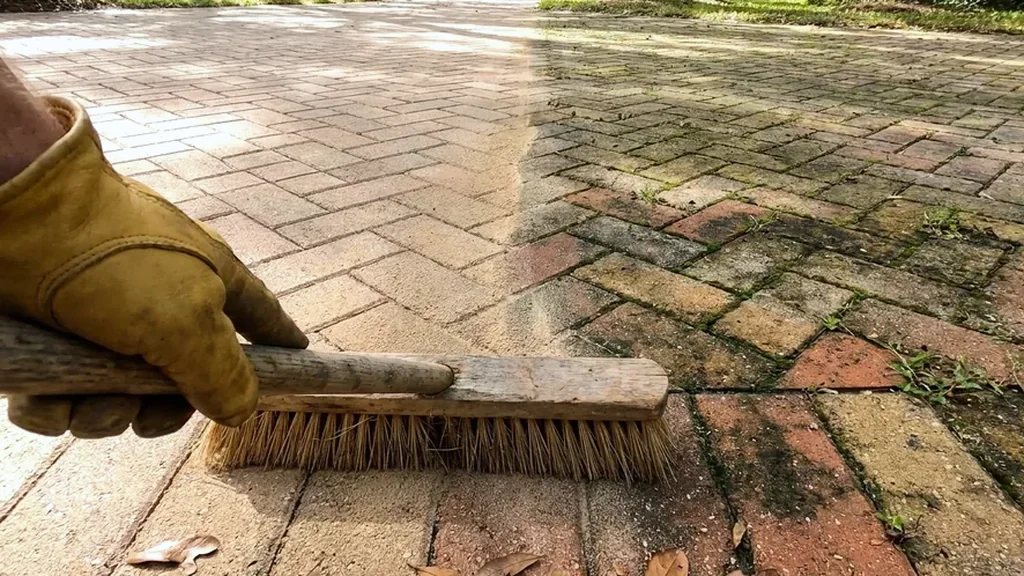
What paver problems show up most in Lakeland?
Joint sand that leaves with the afternoon storms
Lakeland's summers bring afternoon thunderstorms most days, and the National Weather Service puts the rainy season at May 25 to October 10. A Tampa Bay paver company says near-daily storms keep pavers soaked and speed joint sand erosion. The ground here is sandy too, with Candler, Pomona and Smyrna sands common across Polk County, and sand drains fast and moves easily. When joints run low, pavers shift and weeds find a seat. Fresh sand and a sealer that holds it in place are the usual fix, and they work best when done together.
Green film in damp, shaded corners
Lakeland has 38 named lakes, and plenty of yards near them have trees, damp edges and shade. Algae and mildew like warm, humid air, and a shaded patio or a poorly drained walkway shows it first. Sealer would lock that film in, which means the wash has to come before anything else. Expect the green to start where the morning sun never lands. A good wash and a fresh coat keep it from coming back as fast, which saves you from scrubbing a slick walkway every spring.
Dips and lifted pavers on shifting ground
A cluster of sinkholes almost drained Scott Lake in July 2006, a reminder that the ground under Polk County is not always still. Most sunken spots on a driveway are small, but they still need repair before sealing. A coat of sealer holds any dip it goes over, so a low paver gets lifted and re-bedded first. Point out any wobble or puddle when you talk to the contractor, since those are the spots that tell the story of how the base is holding up.
Sun and sprinklers on one strip of driveway
Full sun and tires shorten the life of a coat, and one Tampa Bay company says irrigation overspray and nearby trees do the same. Sprinkler heads that hit the same strip every morning wear that strip years early. Lakeland's city water comes mainly from Floridan aquifer wells, so a home on its own irrigation well may see its own staining, and the marks can look different from the rest of the neighborhood. A contractor can read the pattern on your driveway at a glance, and that pattern helps decide which sealer and how many coats make sense.
Delicate edges beside 1920s homes
Lakeland's boom years left historic districts like Dixieland, Beacon Hill-Alta Vista and South Lake Morton, and the 1920s buildings there are part of why the city looks the way it does. Homes of that age often have old stucco, brick or wood where the pavers meet the house. Wash water and sealer overspray need to stay off those surfaces. Tell the contractor how old your house is so the crew can plan the masking and rinsing. A few minutes of planning here saves the trim and the stucco from stains.
Does it matter if I live by a lake or in a Lakeland historic district?
How do Lakeland's historic districts change the job?
Yes, because the lake and the age of the house both change the job. Lakeland keeps historic districts at Dixieland, Beacon Hill-Alta Vista, Biltmore-Cumberland, East Lake Morton, South Lake Morton, Lake Hunter Terrace and Munn Park. Pavers in these streets often sit beside old masonry and mature trees. When you ask for a free estimate, name the district so the contractor can plan for it.
How do crews reach the north, south and east sides?
Out past the older blocks, the SR 570 Polk Parkway circles the city and ties back into I-4. That ring road is how most crews reach homes on the north, south and east sides. Lake Parker, Lake Gibson and Lake Hollingsworth anchor neighborhoods of their own, and each has its own mix of tree cover and lot size. Call (656) 254-5516 and tell the contractor which lake you live near.
What if my yard backs onto a lake?
If your yard backs onto a lake, say so up front. Rinse water and sealer should be kept out of the lake, and a careful contractor plans the slope and the runoff before starting. Low lots near the shore may also stay damp longer after rain, which can push the sealing date back by a day or two. To plan around your own shoreline, ask for a free estimate and describe the yard.
What does paver sealing cost in Lakeland?
What range should a Lakeland owner expect?
Here is the number to hold in your head: $1.25 to $2.50 per square foot, the range Tampa Bay companies publish for cleaning, re-sanding and sealing. A Lakeland driveway with heavy green film, thin joints and an old coat lands toward the top. A clean, open slab lands toward the bottom. To turn that range into a quote for your own pavers, ask for a free estimate.
What moves the bill more than the rate?
Three things move the final bill more than the rate does. Size counts, because a small patio carries the same setup as a big one, and access counts, because a tight courtyard behind a Dixieland bungalow takes more hauling. Repairs count too, since lifting sunken pavers adds hours. Call (656) 254-5516 to talk through your lot.
| Paved area | Typical example | Clean, sand and seal |
|---|---|---|
| 300 sq ft | Small patio or walkway | $375 to $750 |
| 600 sq ft | Two car driveway | $750 to $1,500 |
| 1,000 sq ft | Large driveway or pool deck | $1,250 to $2,500 |
| 1,500 sq ft | Driveway plus pool deck | $1,875 to $3,750 |
Math based on the $1.25 to $2.50 per square foot that Tampa Bay paver companies publish. Your contractor sets the actual price after seeing the surface. Repairs, leveling and stripping failed sealer are usually extra.
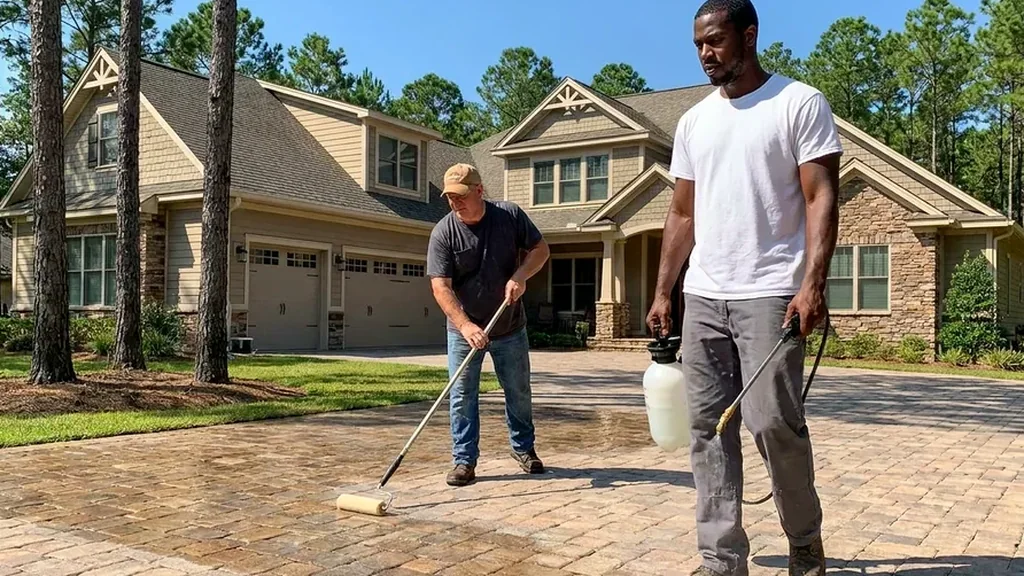
How does a paver sealing job work in Lakeland?
Look it over before touching anything
The contractor circles your Lakeland pavers first. Where does water pool after a storm? Which corners stay green? Is anything lower than its neighbors? Sunken spots get repaired before sealing, since a coat locks in a dip. If an earlier owner sealed the surface, the product has to be identified, because water-based sealer will not bond over solvent-based.
Wash away what Lakeland yards produce
The wash targets algae from shade, tire marks, rust from sprinkler lines and oil from the garage, and each gets its own treatment. Beside a 1920s house, spray is aimed away from old stucco, trim and wood so nothing is stained or stripped. Plants along the walk get covered or rinsed, and the rinse water is kept from running toward the lake.
Re-sand until every joint is full
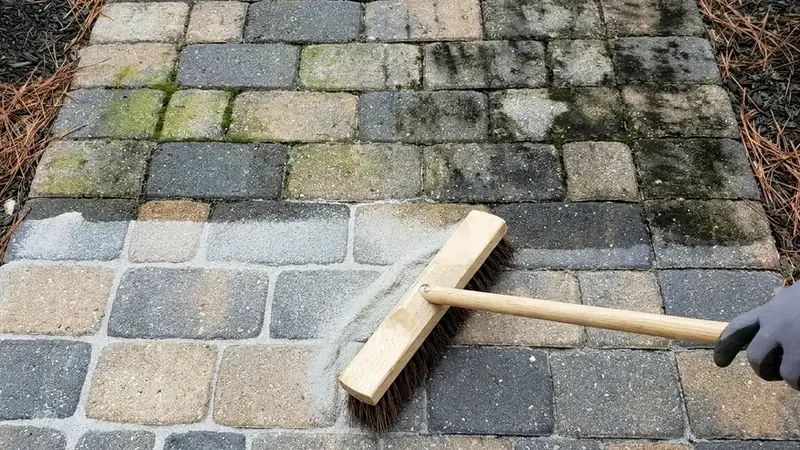
Pressure pulls the old sand out, so the joints are empty when the wash ends, and bare joints are an open door for weeds. Fresh sand is swept in and compacted until the gaps are full. That matters on Polk County sand, where open joints invite soil and weeds. A full joint also braces each paver against its neighbors.
Do nothing until the surface is dry
Now comes the hardest step, which is waiting. Sealer needs a dry surface, so a shaded patio near a lake may need an extra day while a sunny drive is ready by afternoon. During the rainy season, which runs to October 10, a storm can push the whole job back. The contractor tells you early.
Coat the pavers and let them cure
The sealer goes on in the finish you picked, and it reaches the joints along with the stone. One Tampa Bay company puts foot traffic at about 24 hours and cars at 48 to 72 hours. You will get exact timing for your surface before work begins, so you can plan where the cars stay, and when the kids can ride bikes on it again.
Complete paver services in Lakeland
What order does a Lakeland job follow?
Think of a Lakeland job as four jobs in a row: wash, fill, dry, coat. Each one depends on the one before, so a skipped step shows up later as peeling or green. Call (656) 254-5516 to hear how a contractor would sequence them on your lot.
How do driveways, pool decks and walks differ?
Your driveway fades in the sun, your pool deck wears from chemicals, and the walk under the trees turns green. Brick, concrete and travertine also drink sealer differently. When you ask for a free estimate, list each surface so the quote fits all of them.
Which sealer and finish suit an older house?
Two families of sealer exist, water-based and solvent-based, and they do not mix. If a past owner put down the solvent kind, that choice limits yours. Matte fits a 1920s bungalow, while a wet look warms up faded concrete. Call (656) 254-5516 to sort out what suits your house.
How do summer storms set the schedule?
Summer storms in Lakeland favor the afternoon, which is why a morning start and a spare date matter. Winters are drier, with frequent sunny skies, so cooler months often give the cleanest runs of dry days. To line up a date, ask for a free estimate.
Questions to ask before you hire
- Do you seal the steps, borders and edges, or only the flat areas?
- Will the finish look glossy, and can I see it on a small spot first?
- How many days should the grill, the planters and the kids' bikes stay off the finished surface?
- Can the sealer be chosen to suit how my pavers look now, faded or still rich in color?
- Will the new joint sand stay in place once the sealer is down?
- Do I need to turn off my irrigation, or do you work around the sprinkler heads?
- How is the price worked out when my pavers are in several separate areas?
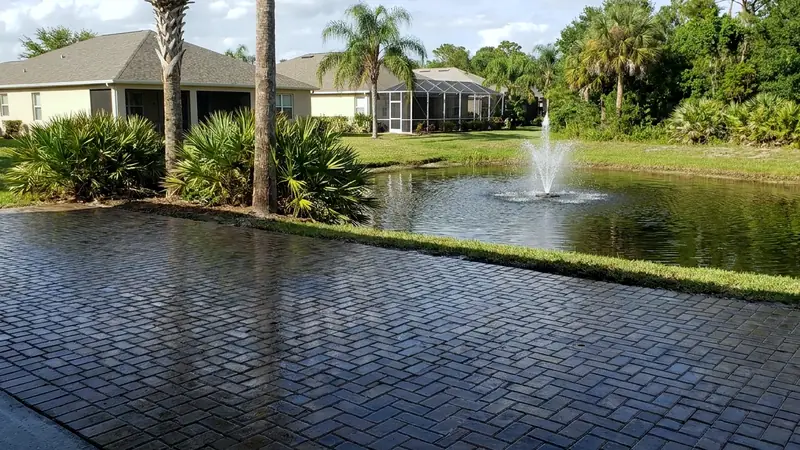
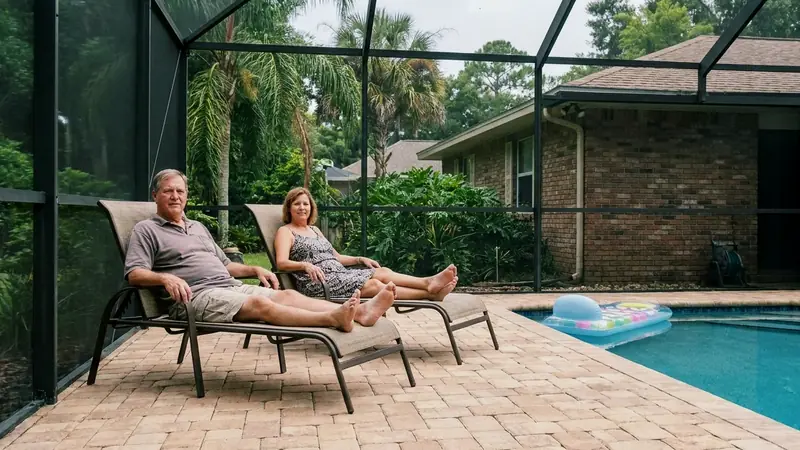
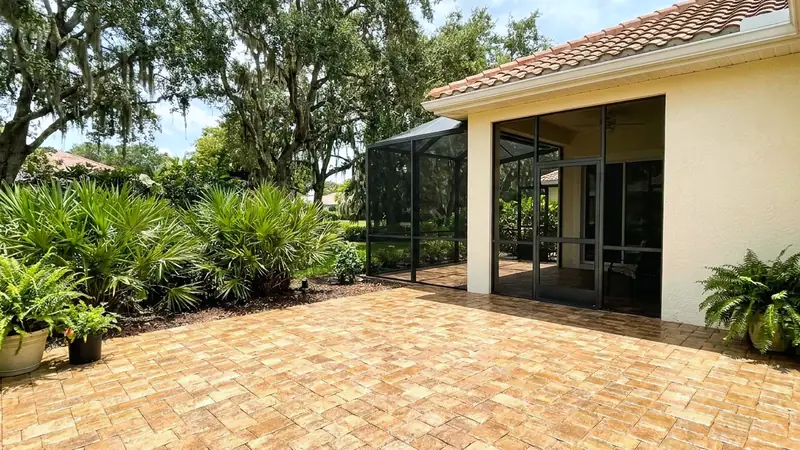
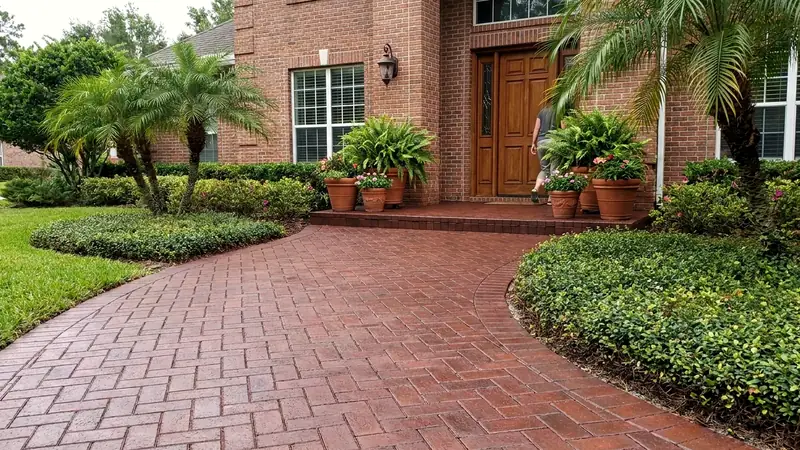
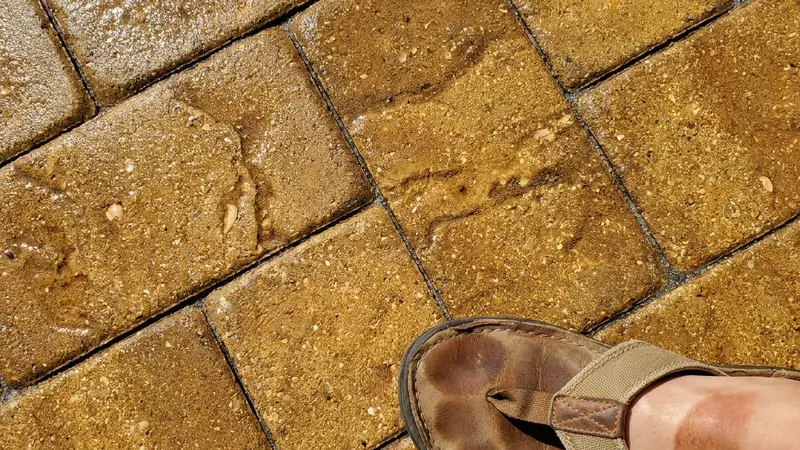
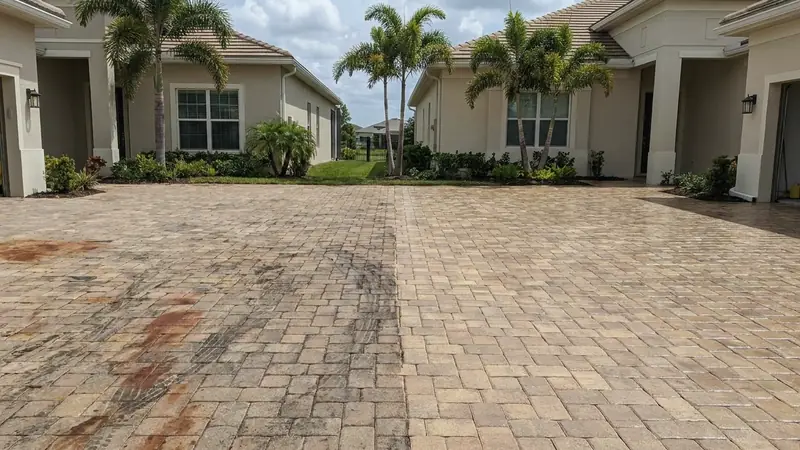
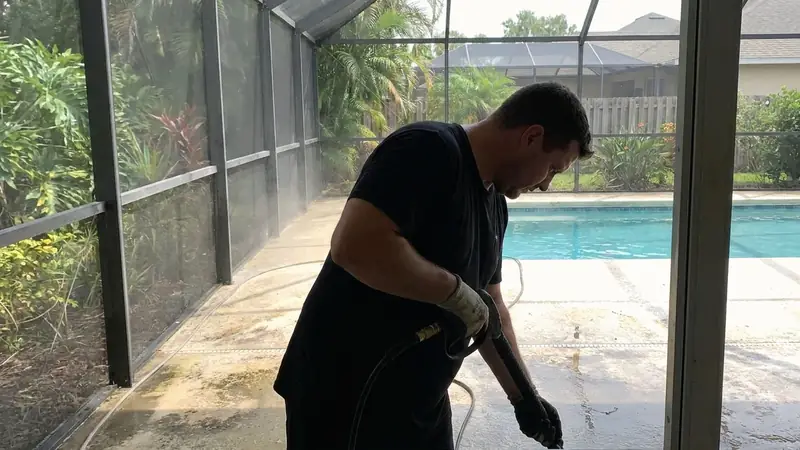
What do sealed pavers look like around Lakeland?
Why local matters in Lakeland
Why do lakes shape a Lakeland job?
Ask a Lakeland neighbor where they live and you will hear a lake. A contractor who works here asks the same thing, since the answer lets them plan the wash, the sand and the schedule, because Lake Parker, Lake Hollingsworth and Lake Gibson say a lot about shade, drainage and soil before the first visit. A crew from outside the county may skip the question. Call (656) 254-5516 to reach someone who works this side of Polk County.
Why does weather matter so much?
Weather is the other local skill. Afternoon storms are the norm in Lakeland summers, and the rainy season runs to October 10. A local contractor builds in a spare date and tells you early when the sky turns. To ask how that works, ask for a free estimate.
Why does the age of the house count?
Then there is the age of the houses. Dixieland, Beacon Hill-Alta Vista and Lake Hunter Terrace hold homes from the 1920s and later, with stucco, brick and wood trim at the edge of the pavers. Someone local knows to mask and rinse with care. If your house is in one of them, ask for a free estimate and tell the contractor roughly when it was built.
What should I know about Lakeland before I hire a contractor?
How did Lakeland get its name?
Lakeland was platted in 1884 by Abraham Munn, who bought 80 acres downtown two years earlier, and the city took its name from the lakes around the town site. Munn Park still marks that core, and the city was incorporated on January 1, 1885. Many blocks near Lake Mirror and Lake Morton date from the 1920s boom, and the Munn Park Historic District keeps that downtown core on the register. If you live near the old downtown, call (656) 254-5516 and name your street.
What else marks the city?
Florida Southern College moved to Lakeland in 1922, and its Lake Hollingsworth campus holds Frank Lloyd Wright's Child of the Sun buildings. Out on the edge of town, Circle B Bar Reserve covers 1,267 acres of restored wetland where a cattle ranch once ran. Joker Marchant Stadium, north of downtown, hosts baseball in the spring, and the Fort Fraser Trail links Lakeland to Bartow beside US 98. Near any of these Lakeland landmarks, ask for a free estimate and say where you are.
Frequently Asked Questions
What is the average cost to seal pavers in Lakeland?
The usual range is $1.25 to $2.50 per square foot for the wash, new joint sand and sealer, as Tampa Bay companies publish it. Where a Lakeland job falls depends on algae, thin joints and any earlier coating. Have the quote list your total square feet, and the comparison takes a minute.
How much does it cost to seal outdoor pavers like a patio or pool deck in Lakeland?
A patio or pool deck is priced like a driveway, by the square foot, so the total follows the size. Small areas tend to cost more per foot because the contractor still hauls in the gear and cleans up. Combining the patio, deck and walkway into one visit usually brings the per-foot price down.
Does sealing pavers in Lakeland have any drawbacks?
A few. A sealed surface needs a fresh coat down the line, a wet look shows scuffs sooner than a matte one, and the work has to wait for dry pavers, which can mean rescheduling in a stormy week. None of these is a reason to skip sealing, but they are worth knowing.
What does a Lakeland contractor usually charge to seal pavers, and what raises the price?
The number you hear is a rate times your square feet. Heavy staining, repairs, tight access and old sealer push it up, while a big, open, clean driveway pulls it down. The estimate is free, so you can compare two or three, and nobody expects an answer on the spot.
When should pavers in Lakeland get a fresh coat of sealer?
Count on a fresh coat every two to five years, according to company quotes. A sunny, busy driveway sits at the short end, and a covered patio can stretch toward the long one, which is why the right date depends on the surface. Pale color, low joints or green that returns fast all say the coat is wearing out.
How long until I can walk or drive on newly sealed pavers?
Walking is fine after about a day, one Tampa Bay company says, and driving after two to three. Shade and damp air can stretch that, so let the contractor name the date for your driveway.
Does a Lakeland driveway need a wash before it is sealed?
Yes, because sealer traps whatever is left underneath. The wash clears algae, grime and old stains, the joints get fresh sand, and the surface dries before anything is applied.
Can a home in a Lakeland historic district have its pavers sealed?
Yes, with extra care near old stucco, brick and wood. If your home has rules on exterior changes, ask the city or your association before work begins. Mention the age of the house when you call, so the contractor can plan the masking and the rinse.
Ready for a Free Estimate in Lakeland?
Call (656) 254-5516 and tell us about your pavers.
Free, no obligation